Explore Shun Education
Product Insights
Dual Core: Sharpness Redefined
Knife Knowledge
Damascus, Tsuchime & San Mai Edge
Use & Maintenance
Recipes
Blog
Why Shun Knives Feel So Different
Knife Anatomy and the Perfect Chef’s Grip
Essential Knife Cuts Every Home Chef Should Master
Knife Techniques for Everyday Ingredients
A Culinary Conversation with Chef Vitor Mendes
SHUN CUTLERY BLOG: KNIFE KNOWLEDGE
Caring for Your Knives: Storage, Cleaning & Maintenance
A clear, confident guide to Japanese knife care.
Why Japanese Knives Require Special Care
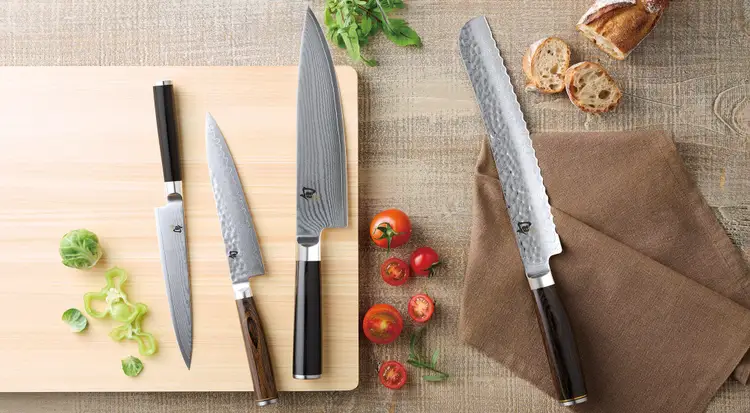
Japanese knives are engineered for precision. Their refined steel, thinner edges, and purposeful geometry are what set them apart and also why thoughtful care matters.
Welcoming a Japanese knife into your kitchen is a meaningful step. Handcrafted in Seki, Japan, Shun knives reflect generations of bladesmithing expertise paired with modern innovation. They are sharper and more refined than most Western knives, and that performance comes with different care needs. The reassuring truth is that proper care is simple, intuitive, and quickly becomes part of your daily cooking ritual.
This in-depth guide to how to care for Japanese knives will walk you through cleaning, storage, and maintenance with clarity and confidence so you can protect your investment, avoid common mistakes, and fully enjoy cooking with truly exceptional tools.
Key Takeaways
- Proper knife care preserves sharpness, structural integrity, and long-term performance.
- Hand washing and immediate drying prevent corrosion and staining.
- Regular honing and professional sharpening maintain optimal cutting precision.
Harder Steel, Purposeful Performance
Shun knives are made using high-quality Japanese steels that are harder than those used in most Western-style knives. This hardness allows for:
- Exceptionally sharp edges
- Clean, precise cuts
- Better preservation of texture and flavor
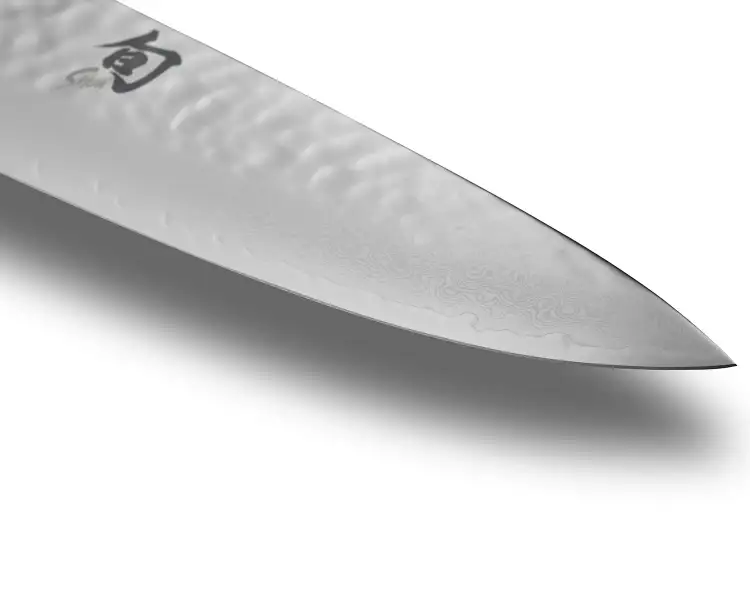
Shun blades are sharpened to a 16-degree angle per side, a balance that delivers remarkable sharpness while maintaining durability for everyday cooking.
Because the steel is harder and the edge is finer, Japanese knives are less tolerant of misuse. They are not designed for twisting, prying, or powering through hard materials. Instead, they excel when used with intention and reward proper technique with effortless cutting and superior results.
Proper Cleaning: The Foundation of Japanese Knife Care
The most important knife care tip is also the easiest. Clean your knife properly every time you use it.
How to Clean a Kitchen Knife
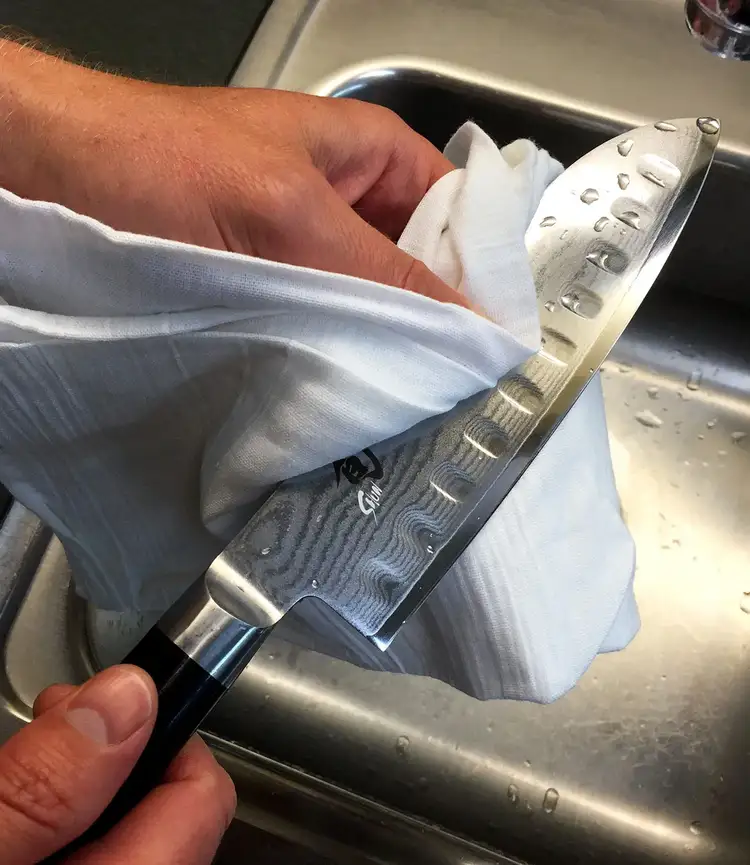
After each use, hand wash your knife as soon as you are finished cutting. Avoid leaving food residue on the blade, especially acidic ingredients like citrus, tomatoes, onions, or garlic. If left on the blade too long, acids can react with the steel and increase the risk of discoloration or corrosion over time.
- Hand wash immediately with warm water and mild dish soap
- Use a soft sponge or cloth
- Rinse thoroughly
- Dry completely with a towel before storing
This simple routine protects both the blade and the edge and takes less than a minute.
What to Avoid
To preserve the integrity of your knife:
- Never put Japanese knives in the dishwasher
- Do not soak them in the sink
- Avoid abrasive scrubbers or harsh detergents
- Do not leave them to air-dry
Dishwashers expose knives to prolonged moisture, high heat, and contact with other utensils, all of which can compromise the blade, handle, and edge.
Stainless Steel, Carbon Steel, and Rust: What to Know
Rust is often misunderstood, so it helps to clarify how it applies to Shun knives.
Stainless Steel Shun Knives
Most Shun knives are made with high-quality stainless steel. This means:
- They are far more resistant to rust than traditional carbon steel
- They still require proper washing and thorough drying
- Neglect over time can still lead to corrosion
Stainless steel is not rust-proof. It is rust-resistant.
If you notice rust beginning to form on your knife, it is important to address it promptly before it worsens. In most cases, light surface rust can be removed with a fine metal polish and gentle pressure. Taking care of small spots early helps prevent permanent damage and preserves the integrity of the blade.
For ongoing maintenance and protection, the Shun Knife Care Kit includes tools designed to help keep your knives clean, polished, and well cared for over time.
Carbon Steel Exceptions: Narukami & Shun Blue
Shun’s carbon steel knives, including Narukami and Shun Blue, require more attentive care.
Carbon steel:
- Will rust quickly if left wet
- Must be washed and dried immediately
- Will develop a natural patina over time
This patina is expected and valued. It is a visual record of use and care, not a flaw. Other Shun stainless steel knives do not necessarily develop a patina, and changes in appearance on those blades may indicate moisture exposure rather than normal aging.
Why Leaving a Blade Wet Matters
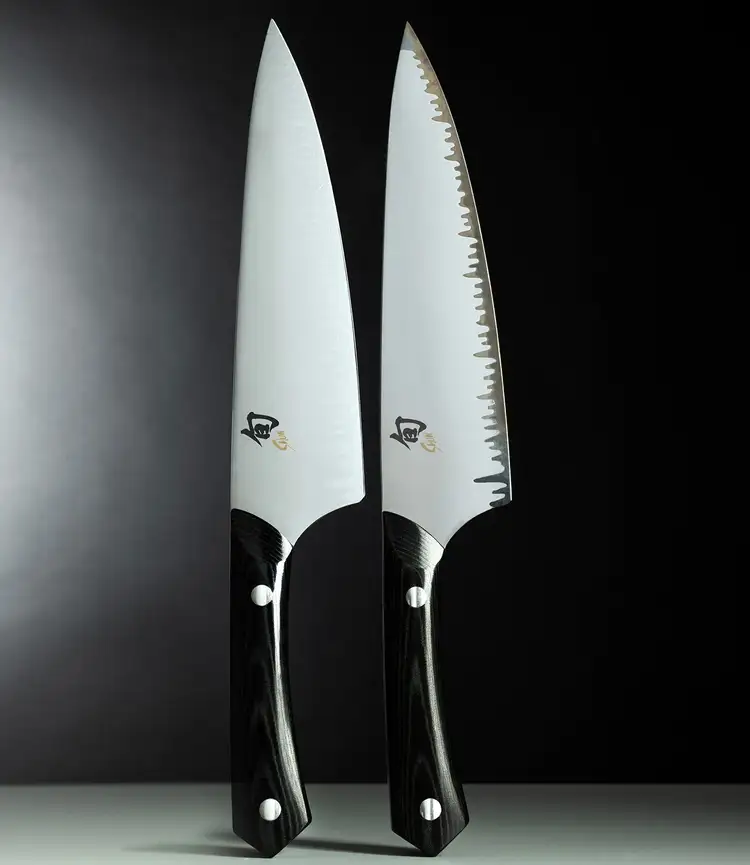
Moisture left on a blade, even briefly, can weaken the steel over time. While you may not see immediate rust, lingering water can lead to subtle corrosion that increases the risk of edge damage or chipping with continued use.
Drying your knife thoroughly after every wash is a simple but essential step. It protects the steel, preserves the edge, and helps maintain the long-term integrity of the blade.
How to Store Knives Safely and Protect the Edge
Proper storage keeps your knife sharp, safe, and ready to use.
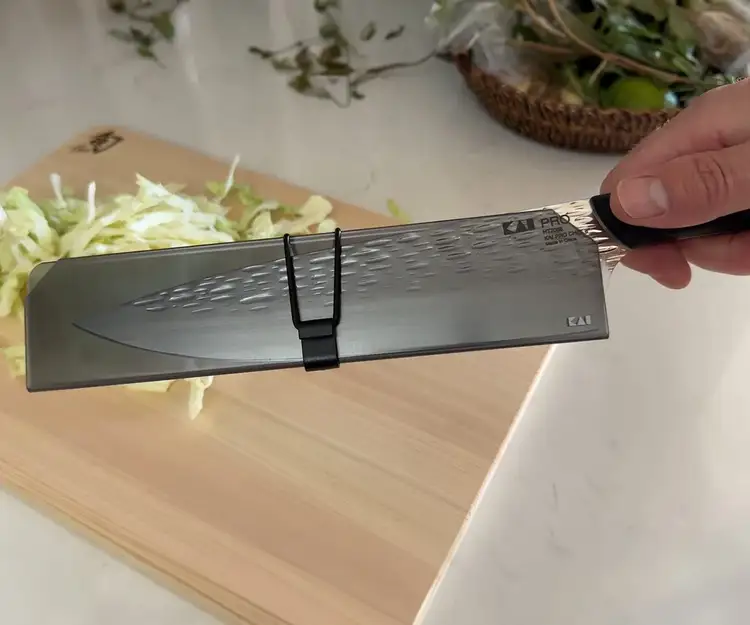
Blade Guards (Saya or Edge Protectors)
Pros:
- Excellent edge protection
- Ideal for drawer storage
- Great for travel or small kitchens
Considerations:
- Always ensure the knife is fully dry before inserting
Blade guards are one of the safest and most versatile storage options.
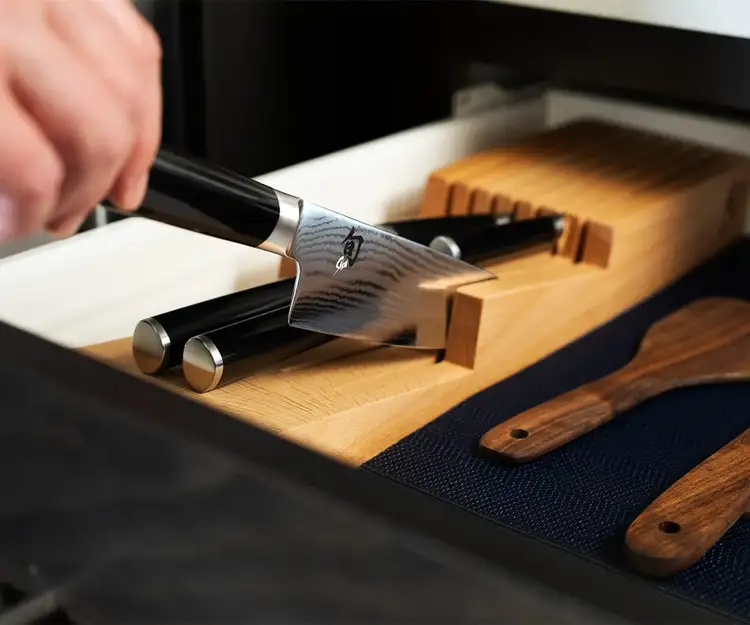
In-Drawer Knife Trays
Pros:
- Keeps knives organized and protected
- Preserves edges while saving counter space
- Ideal for modern, streamlined kitchens
Considerations:
- Requires dedicated drawer space
In-drawer trays provide protection without visual clutter, making them a popular choice for cooks who value both safety and aesthetics.
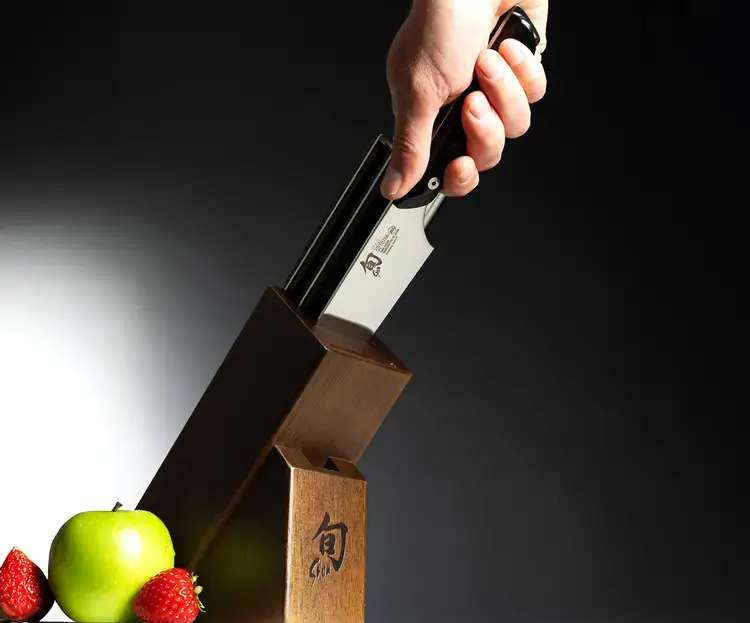
Knife Blocks
Pros:
- Familiar and accessible
- Keeps knives protected and visible
Considerations:
- Takes up counter space
- Improper insertion can dull edges
Best practice: insert knives spine-first, never pushing the blade down inside the block.
Honing vs. Sharpening: A Simple, Practical Explanation
Understanding knife honing vs sharpening helps you maintain peak performance while caring for your knife in a way that respects its steel and craftsmanship.
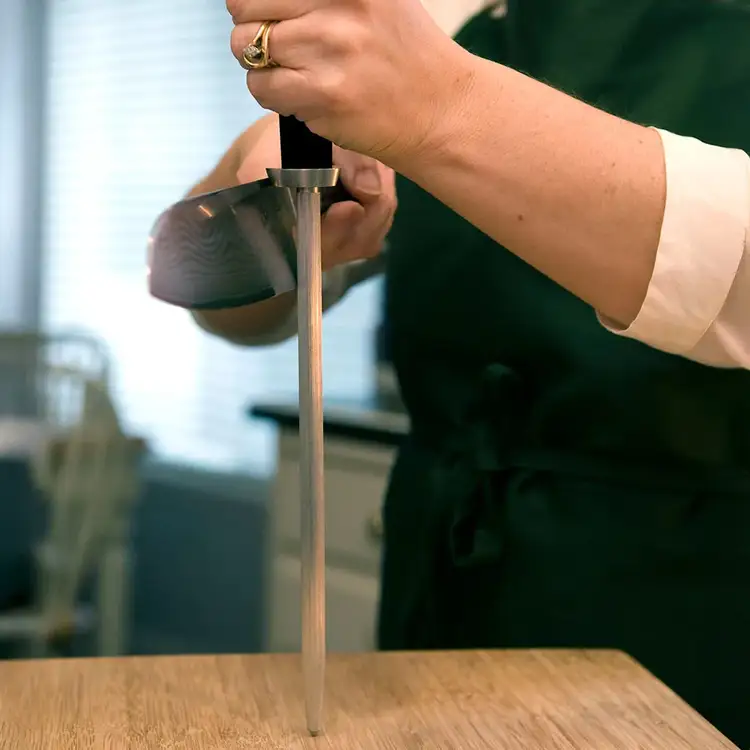
Honing is part of regular knife care. With normal use, a knife’s edge can shift slightly out of alignment even if it is not truly dull. Honing realigns that edge so the knife continues to cut cleanly and smoothly. It does not remove steel. Instead, it helps maintain sharpness between sharpenings and supports consistent performance over time.
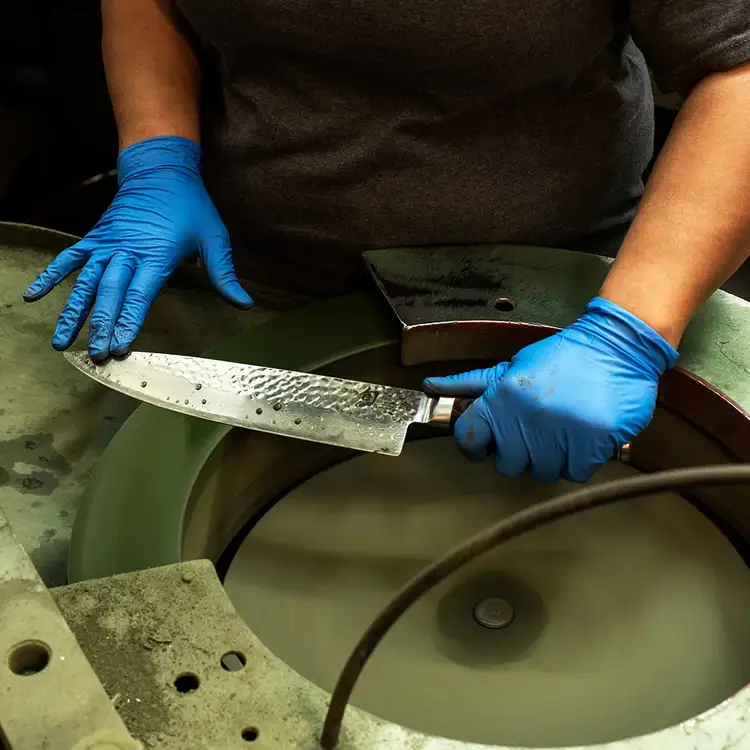
Sharpening restores the edge when honing is no longer effective. Over time, even a well cared for knife will gradually lose sharpness. Sharpening removes a small amount of steel to create a fresh edge and bring the knife back to peak performance.
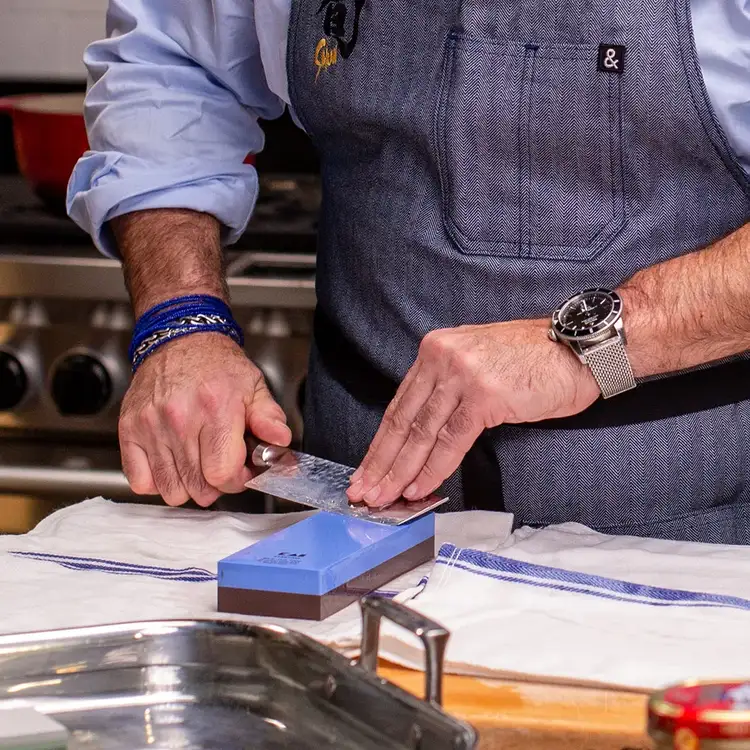
Many home cooks choose to sharpen their knives at home using whetstones, which allow for precise control and excellent results when used correctly. Japanese knives are traditionally sharpened on stones, and with practice, this method can restore a blade to exceptional sharpness while preserving its intended edge geometry.
Because Shun knives are made from high-quality Japanese steel and sharpened to a precise 16-degree angle, they hold their edge well and do not require frequent sharpening. For most home cooks, sharpening once or twice a year is sufficient. How often you sharpen depends on how frequently you cook, your cutting technique, and the surface you cut on.
As additional support, Shun offers free lifetime sharpening. allowing you to have your knife professionally serviced whenever you prefer. Whether you sharpen at home or choose professional sharpening, the goal is the same: maintaining performance so your knife continues to cut cleanly, safely, and beautifully.
Cutting Boards Matter: Choose the Right Surface
Your cutting board plays a significant role in how long your knife stays sharp. Even the finest Japanese knife edge can wear prematurely if it is used on the wrong surface.
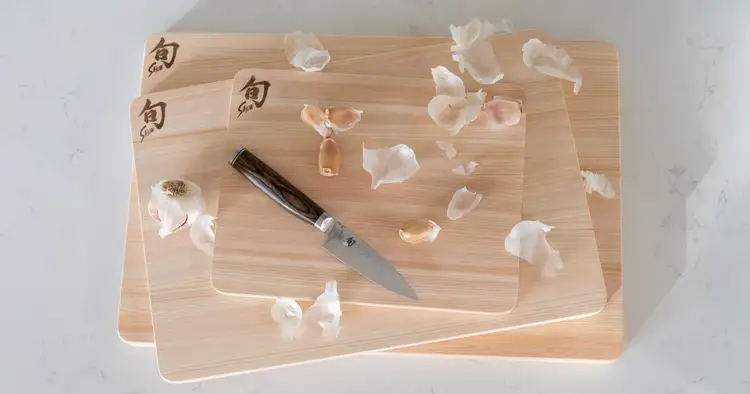
Wood cutting boards are strongly recommended for Japanese knives because wood gives slightly under the blade. That natural give helps reduce edge wear and protects the knife’s refined geometry, allowing the blade to maintain sharpness longer and perform as intended.
Among wooden boards, Hinoki wood is the best choice and the one we recommend above all others. Traditionally used in Japan, Hinoki is exceptionally gentle on knife edges. Its soft, resilient surface cushions the blade at the moment of contact, which helps preserve sharpness, reduce micro-damage, and extend the time between sharpening. For cooks investing in premium cutlery, Hinoki offers the highest level of care and protection.
Other high-quality wooden boards are also suitable and far preferable to hard surfaces. They support better edge retention and overall knife longevity when compared to glass, stone, or ceramic materials.
Surfaces such as glass, marble, granite, ceramic, and titanium should always be avoided. These materials are unforgiving and can quickly dull or damage even the finest blade.
Common Mistakes That Lead to Chipping or Damage
To protect your knife, avoid these habits:
- Cutting bones, frozen foods, or very hard rinds
- Twisting the blade during cuts
- Scraping food off the board with the blade edge. Use the spine to move food instead
- Tossing knives loosely into drawers
- Leaving blades wet after washing
It is also a good habit to inspect your knives regularly. Look along the edge for small chips and check the blade surface for spots that may need attention. Catching minor issues early helps ensure your knives remain safe, sharp, and reliable for years to come.
Care as a Daily Ritual and Lasting Investment
Caring for your knife is not a chore. It is a quiet ritual that completes the act of cooking and protects what comes next. Washing, drying, and storing your knife with intention builds confidence, pride, and respect for your tools and your craft.
Learning how to care for Japanese knives is about awareness, not anxiety. A few consistent habits such as proper cleaning, thoughtful storage, the right cutting surface, and occasional maintenance preserve performance and protect your investment. With that care, a Shun knife becomes more than something you own. It becomes something you rely on.
Cared for properly, a Shun knife delivers lasting sharpness, precision, and confidence. It honors ingredients at their peak and elevates everyday cooking into something more deliberate, more satisfying, and deeply rewarding.
Recent Articles
NEWS AND ANNOUNCEMENTS | Shun Kagerou Honored with 2025 Red Dot Award for Product Design
The Shun Kagerou 8" Chef Knife has just received a 2025 Red Dot Award for Product Design. See what sets this exclusive, limited-edition knife apart from the rest.
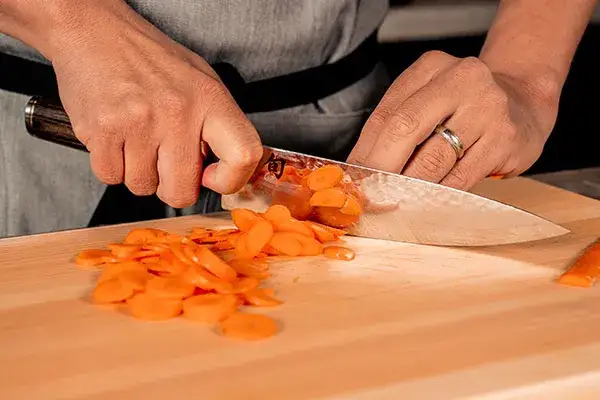
KNIFE KNOWLEDGE | Shun 101 Part 1: Why Shun Knives Feel So Different
Discover why Shun knives stand apart through centuries of Japanese craftsmanship, superior steel, and precision engineering. This article explores what makes Shun knives lighter, sharper, and more intuitive for effortless, elevated cooking every day.
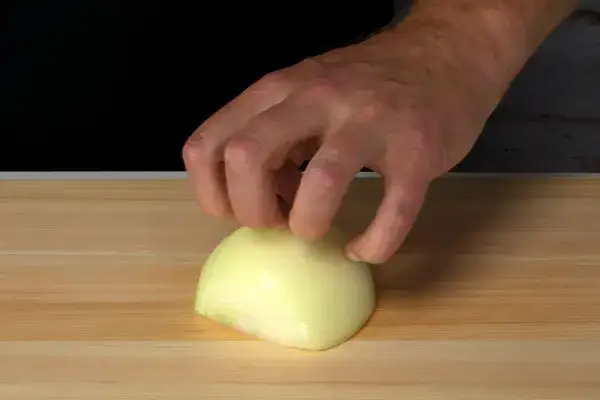
KNIFE KNOWLEDGE | Shun 101 Part 2: Knife Anatomy and the Perfect Chef’s Grip
Learn the anatomy of a Shun knife and how to hold it like a pro. This guide covers each part of the knife and demonstrates the chef’s grip, giving you better control, comfort, and cutting precision in the kitchen.

BEHIND THE BLADE | From Brazil to Brooklyn: A Culinary Conversation with Chef Vitor Mendes
Chef Vitor Mendes shares his journey from Brazil to Brooklyn, his love for culinary craftsmanship, and how meaningful tools—like a great knife—help him express creativity and honor the flavors of the Amazon.
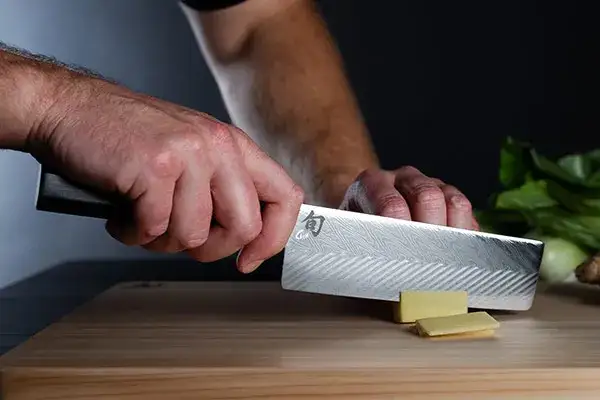
KNIFE KNOWLEDGE | Shun 101 Part 3: Essential Knife Cuts Every Home Chef Should Master
Mastering a few core knife cuts can transform your time in the kitchen. Whether you're prepping for a quick weeknight stir-fry or plating a dish with precision, the right cut enhances both flavor and presentation. With a Shun knife in hand, you’ll find each movement smoother, sharper, and more satisfying.
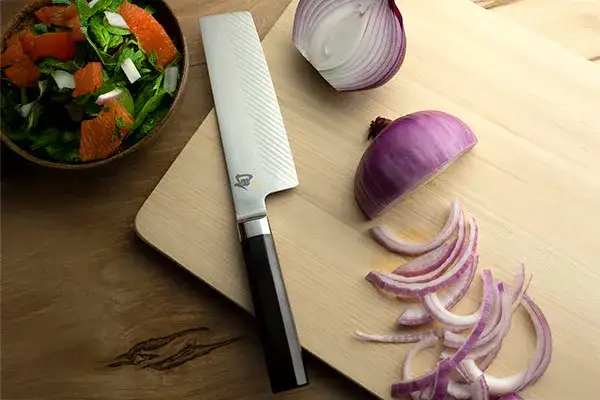
KNIFE KNOWLEDGE | Shun 101 Part 4: Knife Techniques for Everyday Ingredients
Learn essential cutting techniques for common kitchen staples like onions, bell peppers, and broccoli. This guide walks you through simple, effective steps to prep vegetables with confidence—using the right Shun knife for the job.
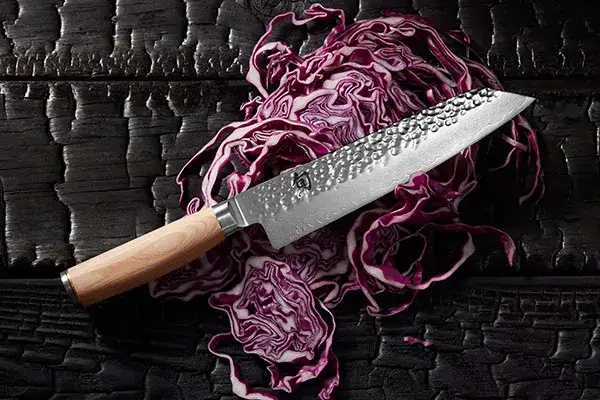
KNIFE KNOWLEDGE | Know Your Knife: Mastering the Kiritsuke Knife
Discover the story behind the kiritsuke—its heritage, purpose, and what sets each Shun version apart. Precision, tradition, and performance come together in this iconic blade.