Explore Shun Education
Product Insights
Dual Core: Sharpness Redefined
Knife Knowledge
Damascus, Tsuchime & San Mai Edge
Use & Maintenance
Recipes
Blog
Why Shun Knives Feel So Different
Knife Anatomy and the Perfect Chef’s Grip
Essential Knife Cuts Every Home Chef Should Master
Knife Techniques for Everyday Ingredients
A Culinary Conversation with Chef Vitor Mendes
SHUN CUTLERY BLOG: KNIFE KNOWLEDGE
Shun Series Comparison Chart
Choosing the right Shun knife is easier when you can see the differences side by side. Use this comparison to explore blade materials, construction, handle designs, and grip styles across our full range of series, from handcrafted heritage to professional performance.
| Kohen | Narukami | Shiranami | Dual Core | Premier / Premier Blonde |
Classic / Classic Blonde |
Kazahana | Kanso | Sora | |
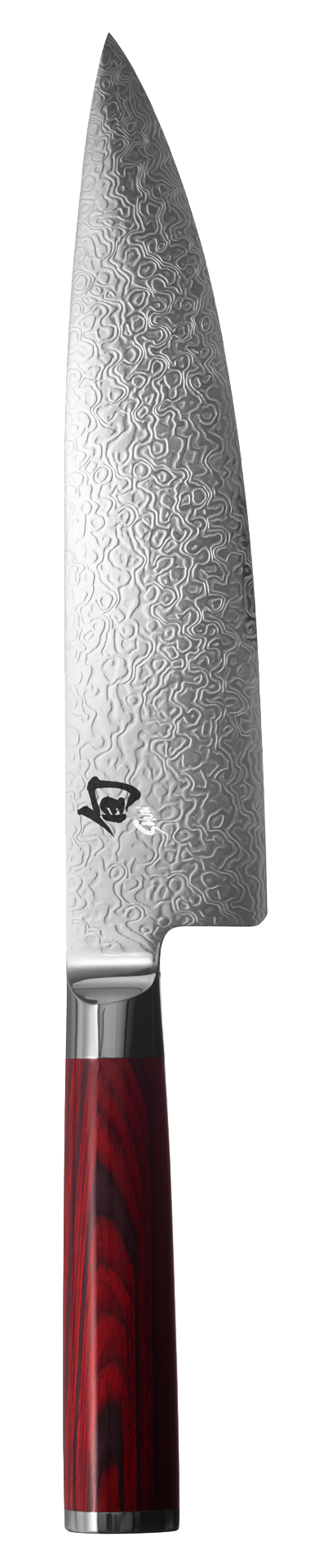
|
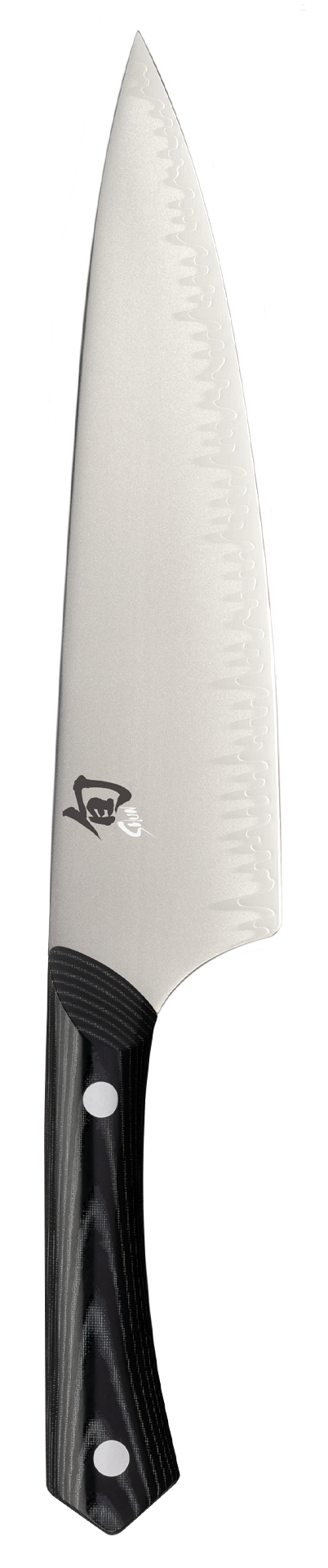
|
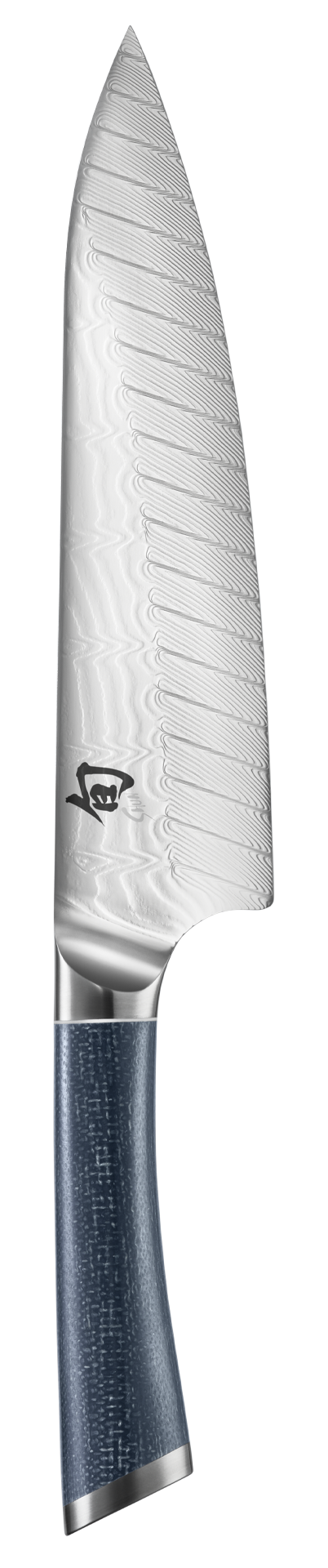
|
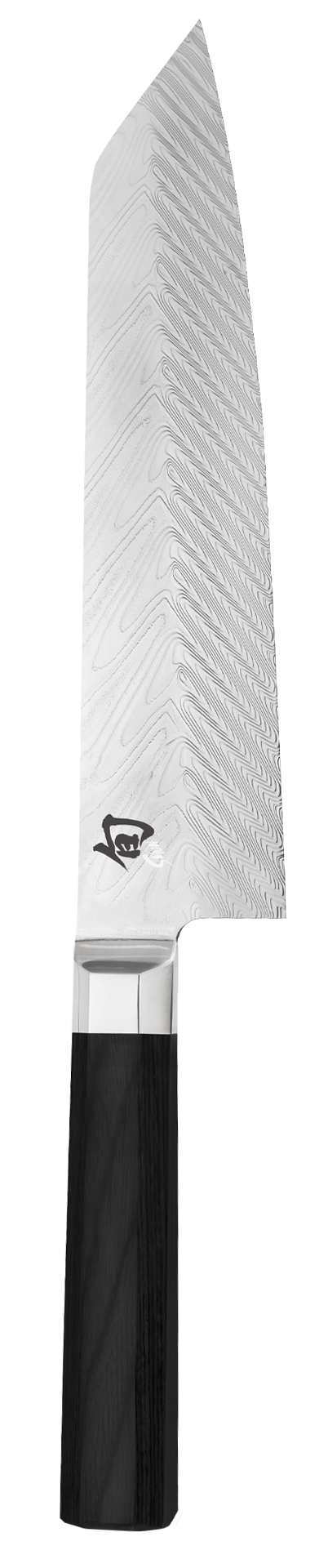
|
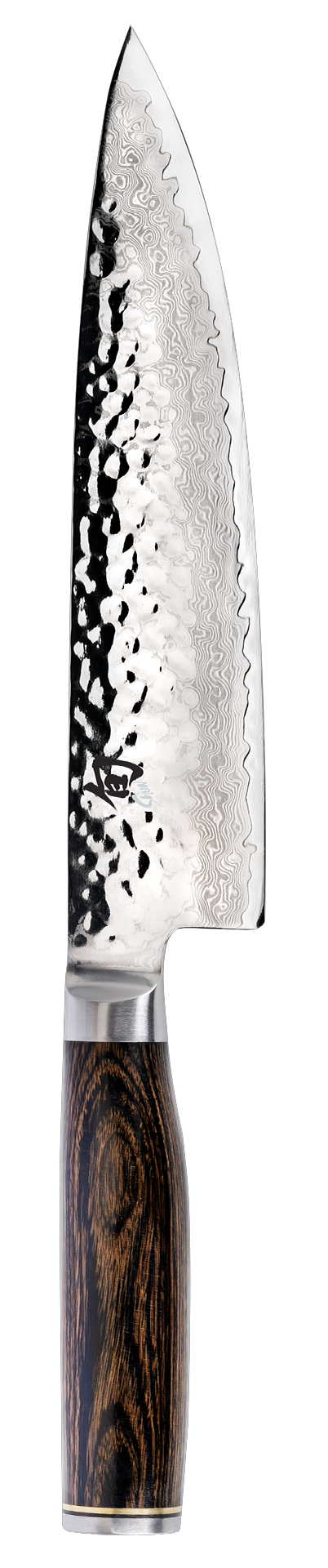
|
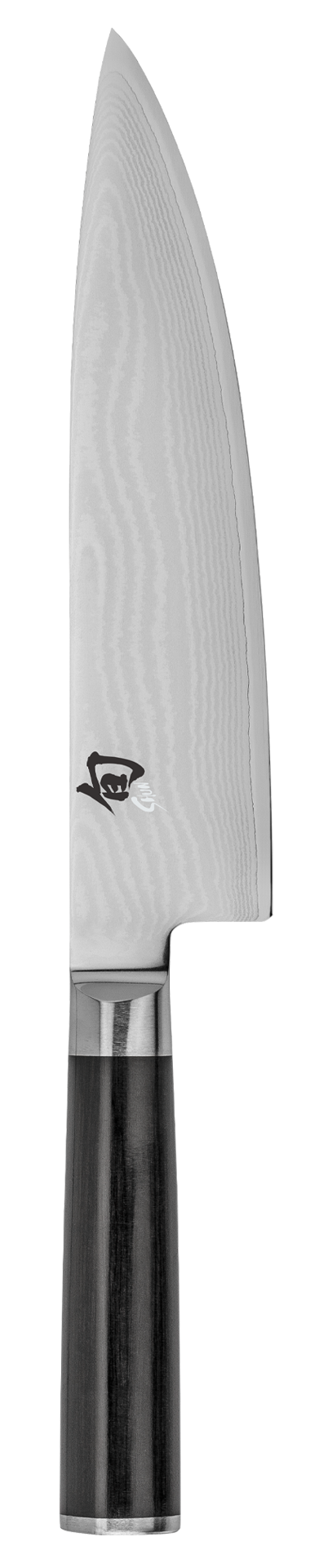
|
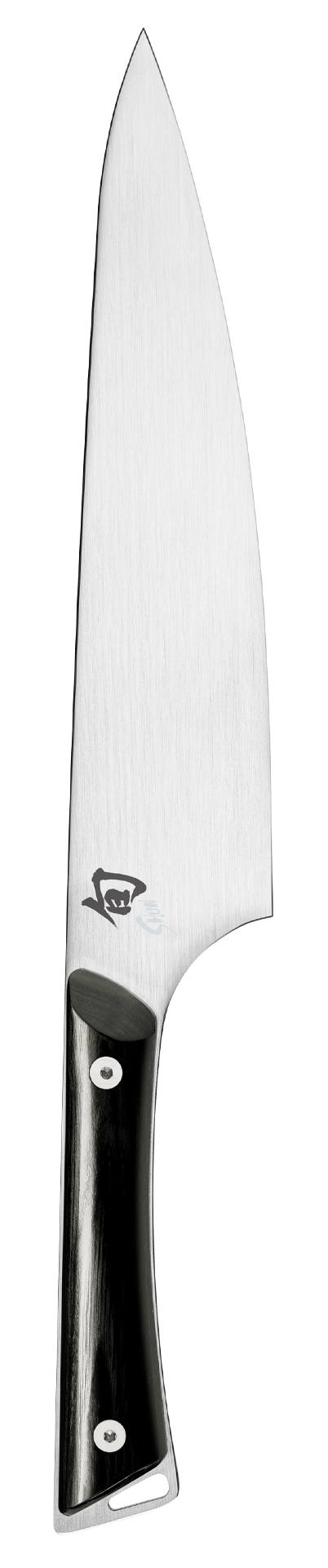
|
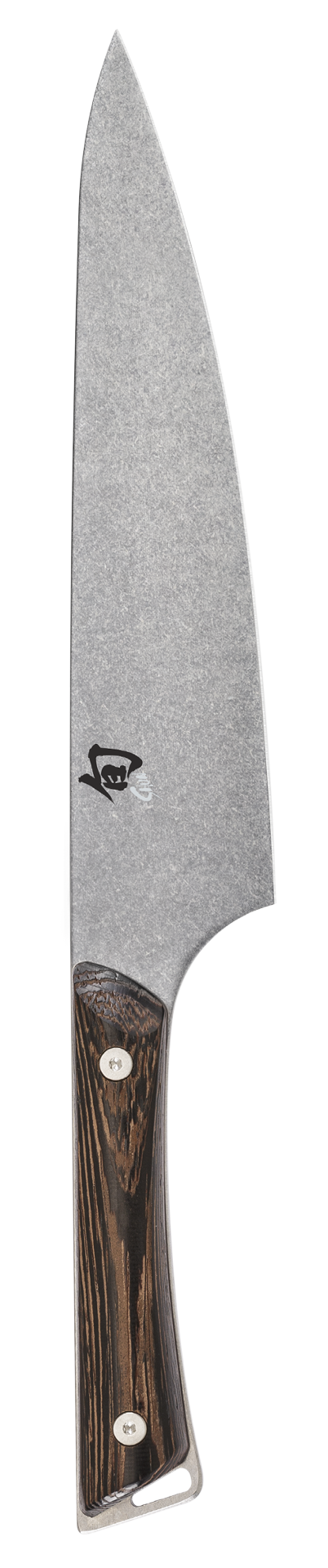
|
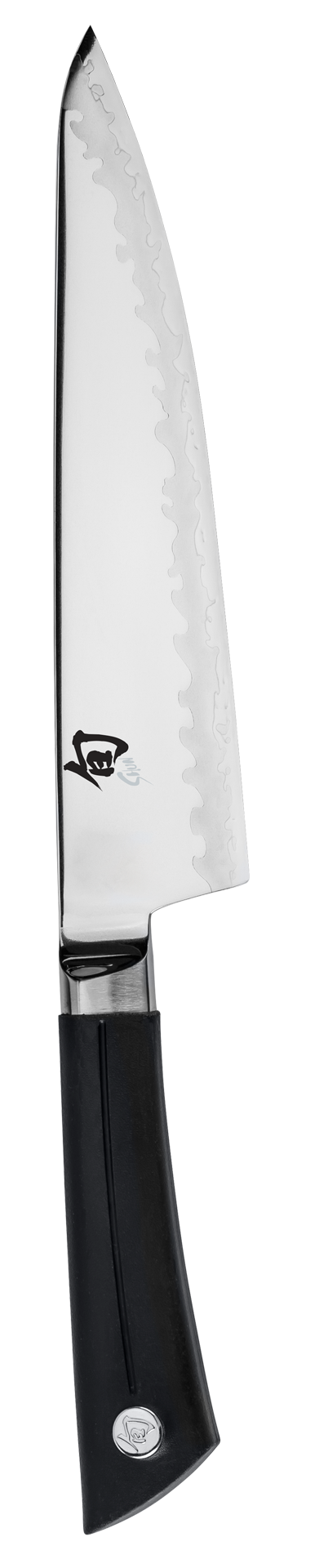
|
|
| Blade Features | |||||||||
| Blade Core Steel | Dual Core (VG10 / VG2) |
Blue II Carbon Steel |
Dual Core (VG10 / VG2) |
Dual Core (VG10 / VG2) |
VG‑MAX™ | VG‑MAX™ | AUS10A | AUS10A | VG10 |
| Steel Layers | 71‑Layer Damascus |
3 Layer San Mai |
71‑Layer Damascus |
71‑Layer Damascus |
68‑Layer Damascus |
68‑Layer Damascus |
1-Layer Solid Steel |
1-Layer Solid Steel |
3-Layer Japanese 420J |
| Unique Features | – | San Mai Cladding |
– | – | Tsuchime Finish |
– | – | – | Composite Blade Technology |
| Bevel Type | Double Bevel (16°) |
Double Bevel (16°) |
Double Bevel (16°) |
Double Bevel (16°), Single Bevel (Yanagiba only) |
Double Bevel (16°) |
Double Bevel (16°) |
Double Bevel (16°) |
Double Bevel (16°) |
Double Bevel (16°) |
| Blade Construction | Composite Tang |
Full Tang | Composite Tang |
Rabbet Tang |
Composite Tang |
Composite Tang |
Full Tang | Full Tang | Rabbet Tang |
| Rockwell Hardness | 60–61 | 61–62 | 60–61 | 60–61 | 60–61 | 60–61 | 60–61 | 60 | 60–61 |
| Handle Features | |||||||||
| Handle Material | Pakkawood | Micarta | Jute Micarta |
Pakkawood | Pakkawood | Pakkawood | Pakkawood | Tagayasan (Wenge) |
Textured PP/TPE |
| Handle Color | Red/Black | Black | Prussian Blue |
Ebony | Walnut or Blonde | Ebony or Blonde | Ebony | Natural Wood | Black |
| Handle Shape |

|

|

|

|

|
|

|
|

|
| Endcap | Embossed polished stainless steel endcap | No endcap | Embossed stainless steel endcap | No endcap | Embossed stainless steel endcap | Stainless steel endcap | Extended tang with integrated bottle opener | Extended tang with integrated bottle opener | No endcap |
| Explore the Series | |||||||||
| Explore Page | Explore Kohen |
Explore Narukami |
Explore Shiranami |
Explore Dual Core |
Explore Premier |
Explore Classic |
Explore Kazahana |
Explore Kanso |
Explore Sora |
| Shop Now | Shop Kohen |
Shop Narukami |
Shop Shiranami |
Shop Dual Core |
Shop Premier |
Shop Classic |
Shop Kazahana |
Shop Kanso |
Shop Sora |
Key Takeaways
- Different Shun series vary in steel composition, handle design, and aesthetic details.
- Each series balances performance, durability, and visual craftsmanship differently.
- Selecting a series depends on cooking style, maintenance, preference, and design appeal.
Frequently Asked Questions
How do Shun knife series differ from one another?
Differences include blade steel type, layering techniques, handle materials, and overall design philosophy. Some series prioritize edge retention, while others emphasize aesthetics or ergonomic comfort.
Does steel composition impact performance?
Yes. Steel type influences sharpness, durability, corrosion resistance, and ease of sharpening.
How should a buyer choose between knife series?
Consider how often the knife will be used, maintenance preferences, comfort in hand, and visual style. Testing balance and grip at an authorized dealer store can help guide the decision. Find an authorized dealer near you with our Store Locator.
Are all series suitable for professional use?
Many Shun series meet professional standards, but individual preferences in weight and edge angle often guide final selection.